
In today’s competitive real estate and architecture landscape, effective communication can make or break a project. While digital renderings and blueprints serve their purpose, miniature models have emerged as game-changers in two critical areas: accelerating property sales in developer showrooms and enabling architects to secure client buy-in before construction begins.
Accelerating Sales in Developer Showrooms
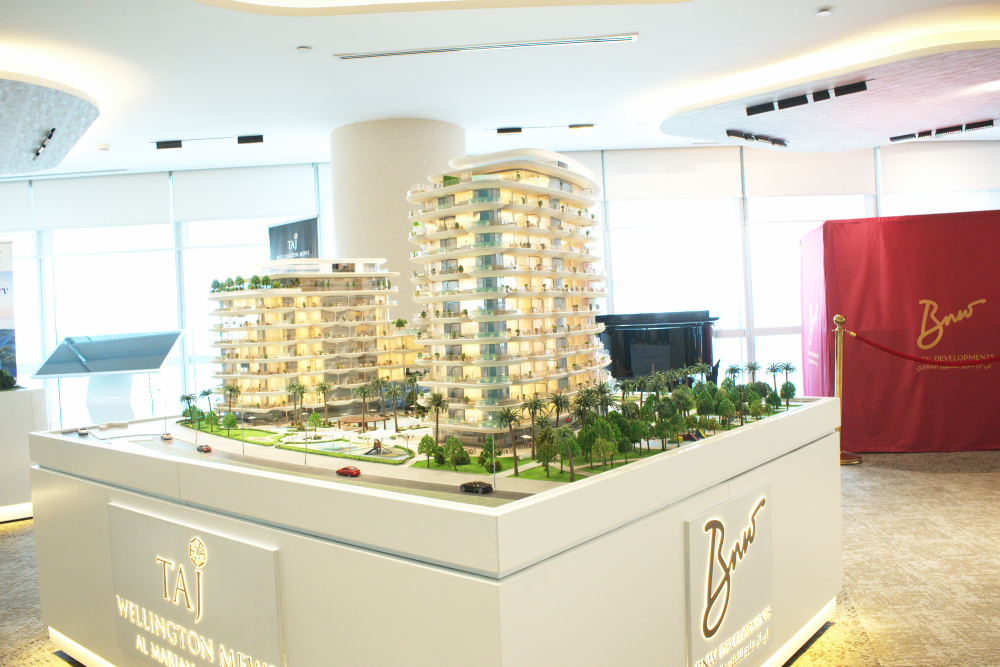
For property developers, time is money—and miniature models are proving to be powerful sales accelerators. In showrooms across the globe, these tangible representations are helping sales teams close deals faster than ever before. Unlike flat floor plans or digital walkthroughs, physical models allow potential buyers to truly grasp the scale, layout, and lifestyle potential of their future home.
Sales professionals report that clients spend significantly more time engaging with properties when physical models are present. Buyers can visualize room flow, understand spatial relationships, and even imagine furniture placement—all crucial factors in the decision-making process. This deeper engagement translates directly into faster sales cycles and higher conversion rates, as clients develop an emotional connection to the space that digital presentations simply cannot replicate.
Preventing Costly Changes Through Early Visualization
For architects, miniature models serve as invaluable communication tools that can save projects from expensive mid-construction modifications. By presenting clients with a physical representation of the final design, architects can identify and address concerns before breaking ground.
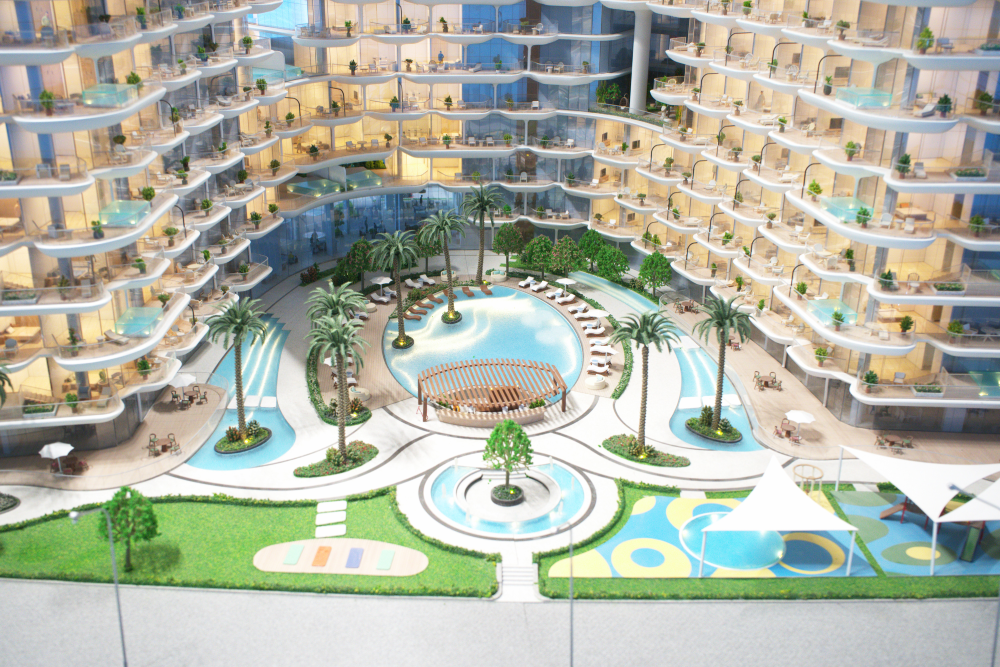
This early visualization process allows clients to experience the project’s scale, proportions, and spatial relationships in ways that 2D drawings cannot convey. When clients can walk around a model, examine sight lines, and understand how natural light will flow through spaces, they’re better equipped to provide meaningful feedback. Critical design changes can be implemented during the planning phase—when they cost hundreds rather than thousands of dollars.
The Tangible Advantage
What makes miniature models so effective is their ability to bridge the gap between abstract concepts and concrete reality. Clients can interact with the design on a personal level, viewing it from multiple angles and examining specific details up close. This hands-on experience fosters deeper understanding and creates emotional connections that drive decision-making.
The collaborative nature of model presentations also enhances communication. Clients can point to specific features, suggest modifications, and engage in real-time discussions that lead to better outcomes for all parties involved.
The Bottom Line
In an industry where miscommunication can lead to costly delays and dissatisfied clients, miniature models offer a clear competitive advantage. For developers, they’re a proven tool for accelerating sales and improving customer satisfaction. For architects, they’re essential for securing client approval and preventing expensive design changes.
As the construction and real estate industries continue to evolve, those who leverage the power of physical models will find themselves better positioned to communicate effectively, close deals faster, and deliver projects that truly meet their clients’ visions.
What’s your experience with miniature models in property development or architectural presentations? Share your thoughts in the comments below.